

TL;DR:
- Los Angeles and Orange County markets in 2026 are tight with limited inventory and rising home prices.
- Buyers should be thoroughly prepared with pre-approvals, documentation, and understanding market dynamics to be competitive.
- Working with a local agent is essential to navigate fast-moving listings, negotiate effectively, and avoid common pitfalls.
Buying a home or making a real estate investment in Los Angeles or Orange County is not for the faint of heart. Prices are steep, competition is fierce, and the rules of engagement shift faster than most buyers expect. The OC median home price sits around $1.3 to $1.4 million as of February 2026, and inventory remains tight across both counties. Whether you are purchasing your first home or adding a rental property to your portfolio, this guide walks you through the 2026 market landscape, what to prepare, how to execute a smart purchase, and what comes next after you close.
Table of Contents
- Understand the LA and OC real estate market in 2026
- What you need before you start: Preparation checklist
- Step-by-step: How to buy or invest in LA real estate
- Avoiding common pitfalls in LA and OC real estate
- What to expect after closing: Next steps and verification
- Local wisdom: Hard truths and overlooked factors in LA real estate
- Your next step: Find your LA/OC home with expert help
- Frequently asked questions
Key Takeaways
| Point | Details |
|---|---|
| Know your market | LA and OC real estate conditions in 2026 require solid research and fast action. |
| Prepare thoroughly | Gather documents and get financially ready before you start shopping. |
| Follow the steps | Use a proven process to avoid common mistakes and increase your buying power. |
| Expect competition | Inventory remains tight so be decisive but carefully verify every detail. |
| Lean on experts | Local agents and resources help you succeed in LA/OC’s complex market. |
Understand the LA and OC real estate market in 2026
Before you tour a single property, you need to understand what you are walking into. The LA and Orange County markets in 2026 are defined by one core tension: buyer demand has stabilized, but the supply of available homes still lags behind what shoppers need.
According to 2026 housing forecasts, prices in the LA/OC region are expected to rise between flat and 3.6% this year, with mortgage rates hovering in the mid-6% range, roughly 6.0 to 6.4%. Inventory is creeping upward but stays below four months of supply, which still favors sellers. Sales volume is stabilizing, meaning more transactions are getting done, but the window to act on a good listing remains narrow.
What does a seller's market actually mean for you? It means that well-priced homes in desirable neighborhoods move fast. It means your offer needs to be strong, clean, and sometimes above asking price. It also means that hesitation costs money.
Here is a quick snapshot of key 2026 market metrics:
| Metric | Los Angeles | Orange County |
|---|---|---|
| Median home price | ~$850K–$950K | ~$1.3M–$1.4M |
| Months of inventory | Under 4 months | 3.4–3.5 months |
| Price forecast (2026) | Flat to +3.6% | Flat to +3.6% |
| Avg. mortgage rate | 6.0–6.4% | 6.0–6.4% |
What makes LA and OC different from most other American housing markets:
- Land scarcity. Buildable land in coastal LA and OC is nearly gone, which limits new supply.
- Employer concentration. Tech, entertainment, healthcare, and logistics jobs anchor long-term demand.
- Population density and transit. Walkability and access to freeways directly affect property values.
- Lifestyle premium. Buyers pay for weather, schools, and proximity to the coast.
- International buyer interest. Foreign investment adds a layer of competition not found in most inland markets.
If you are new to this market, start with a solid first-time buyer guide for LA to understand how local norms differ from national standards. And if you are on the fence about whether buying here makes sense at all, reviewing the advantages of buying in LA may clarify your thinking.
What you need before you start: Preparation checklist
Most buyers in LA and OC get frustrated not because the market beats them, but because they show up unprepared. A seller who receives three offers on day one will always choose the buyer whose paperwork is cleanest and whose financing is already confirmed.
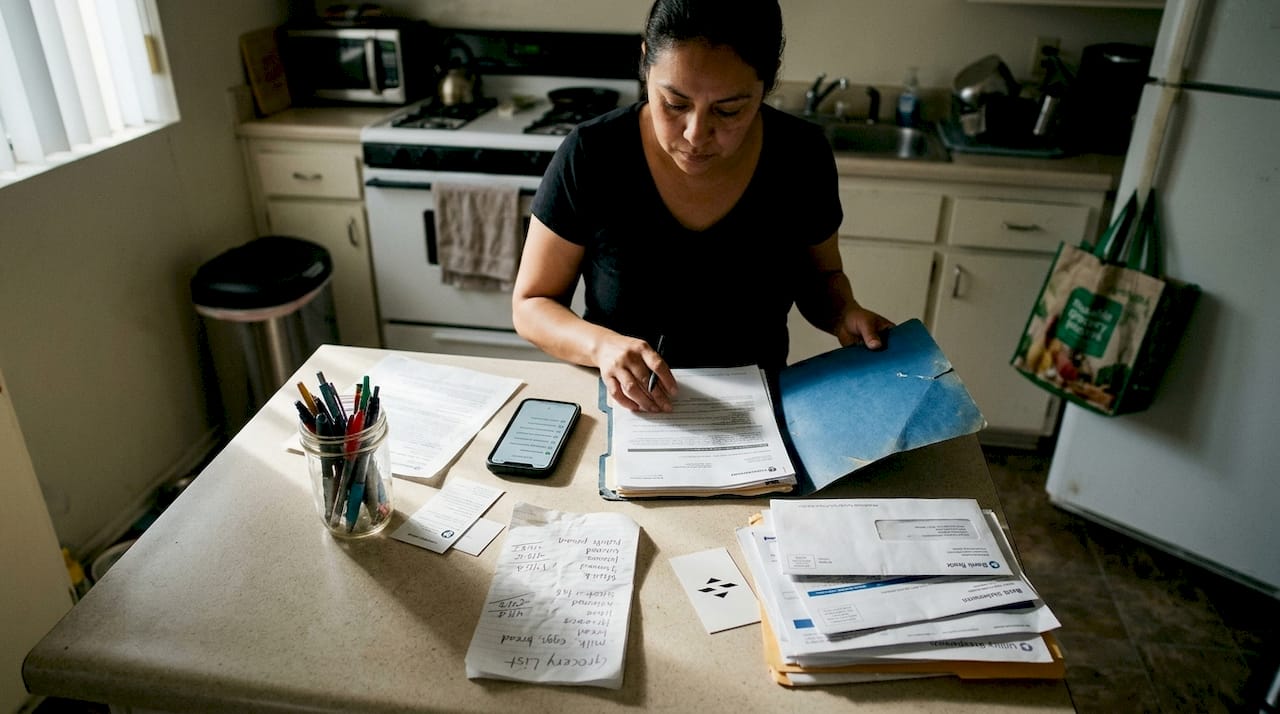
With OC home prices averaging $1.3 to $1.4 million, even a 10% down payment means $130,000 to $140,000 in cash upfront, before closing costs. That number alone tells you how important financial preparation is.
Documents and steps you need before viewing homes:
- Mortgage pre-approval letter from a lender (not just pre-qualification)
- Last two years of tax returns and W-2s or 1099s
- Recent bank statements showing liquid assets and reserves
- Government-issued photo ID
- Proof of down payment source (a gift letter if funds come from family)
- A clear picture of your monthly budget, including estimated property taxes and HOA fees
- Credit report review (aim for a 680 or higher score before applying)
Pro Tip: Get your mortgage pre-approval done before you fall in love with a property. Sellers in this market often will not even show a home to an unqualified buyer, and agents who know the area respect buyers who come to the table ready. Check first-time buyer tips for more on what lenders look for locally.
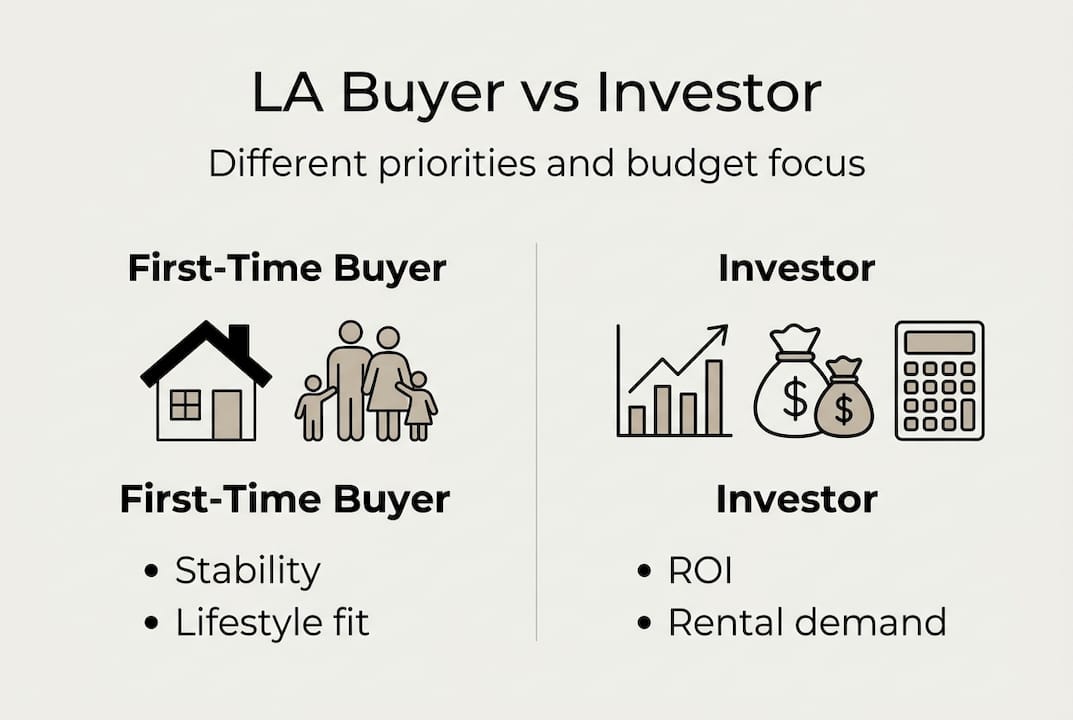
The mindset you bring matters just as much as your paperwork. Buyers and investors prioritize different things, and mixing those priorities leads to bad decisions.
| Factor | First-time buyer focus | Investor focus |
|---|---|---|
| Top priority | Long-term stability, lifestyle fit | Cash flow, appreciation potential |
| Risk tolerance | Lower, emotional connection | Higher, numbers-driven |
| Timeline | Flexible but urgent | Strategic, market-timed |
| Exit strategy | Long-term hold or eventual sale | Resale or rental income |
| Key due diligence | Schools, commute, neighborhood | Rent rolls, cap rate, zoning |
Also budget for closing costs, which typically run 2 to 3% of the purchase price in California. On a $1 million home, that is an additional $20,000 to $30,000. Review the OC home buying steps to see a complete breakdown of what gets paid at closing and when. Use the LA 2026 market forecast to time your entry with current rate expectations.
Step-by-step: How to buy or invest in LA real estate
Once your finances are in order, the process becomes much less overwhelming. Here is how it works in practice:
- Define your criteria. Set non-negotiables: location, size, budget ceiling, and must-have features. Investors should also define their target return on investment or gross rent multiplier at this stage.
- Hire a local agent. This is not optional in LA or OC. A local agent gives you access to off-market listings, neighborhood context, and negotiation experience that no online search tool can replicate.
- Search and tour. Move quickly on listings you like. In this market, waiting even 48 hours can mean losing a property. Track new listings daily.
- Make an offer. Your agent will help you determine offer price, contingencies (such as inspection and financing), and escalation clauses if needed.
- Negotiate and go into escrow. Escrow in California typically runs 30 to 45 days. During this time, inspections, appraisals, and final loan approval all happen.
- Complete your due diligence. Never skip the inspection, even in a competitive offer situation. Waiving it can cost tens of thousands in repairs you did not see coming. Market value data can help confirm whether your agreed price is fair.
- Fund and close. Wire your down payment and closing costs, sign the final documents, and get the keys.
For investors, steps 1 and 4 look different. You are analyzing rental yield, local vacancy rates, and proximity to employment centers rather than school ratings. Read through investment tips for LA and OC to sharpen your financial analysis before making an offer.
"In a market where prices are rising and inventory stays tight, who you work with determines what you can access. The best deals in LA and OC rarely sit on Zillow long enough for an unprepared buyer to act."
Pro Tip: If you are in a multiple-offer situation, ask your agent about an escalation clause. This automatically raises your offer up to a set limit if a competing bid comes in, without you having to renegotiate from scratch. See the full LA home buying process for guidance on how escalation clauses are structured locally.
Avoiding common pitfalls in LA and OC real estate
Even experienced buyers make mistakes in this market. The pace is fast, the stakes are high, and local quirks can trip up anyone who is not paying close attention.
Top mistakes buyers and investors make in LA and OC:
- Waiving the inspection contingency without understanding the risk. Yes, it makes your offer more competitive, but you could inherit foundation issues, water damage, or unpermitted additions that cost far more than you expected.
- Underestimating total closing costs. Many buyers budget for the down payment but forget about escrow fees, title insurance, transfer taxes, and lender points.
- Falling in love with a neighborhood based on outdated data. A zip code that was affordable two years ago may be out of reach today, or vice versa.
- Moving too slowly on a strong listing. If a home checks your boxes, waiting a week to decide almost always means losing it.
- Ignoring HOA documents. In condo and townhome purchases, the HOA financials and meeting minutes reveal pending special assessments, litigation, and building maintenance issues.
- Overbidding without an appraisal safety net. If you bid 15% over asking and the appraisal comes in low, you either make up the difference in cash or lose the deal.
- Skipping title research. Confirm that there are no liens, easements, or ownership disputes on the property before closing.
"Acting on last year's data in the LA or OC market is like reading yesterday's weather forecast. The numbers shift fast, and outdated assumptions can cost you the deal or lock you into a poor investment."
For investors specifically, fraud awareness matters. Wire fraud in real estate transactions is real. Always verify wire instructions by phone using a number you find independently, not one included in an email. If you are ever considering selling a property you acquire, reviewing the home listing guide for LA and OC early gives you a resale framework to build toward. The 2026 inventory data also shows why buying at the right price matters so much for resale margin down the road.
What to expect after closing: Next steps and verification
Closing day feels like the finish line, but it is actually the starting gun for a whole new set of responsibilities. Whether you are moving in or renting out, the first few weeks after closing are critical.
What to do in the weeks immediately after closing:
- Transfer all utilities (electricity, gas, water, trash) into your name on or before closing day
- Contact your homeowners insurance provider to confirm the policy is active
- Change all locks and security codes immediately
- Schedule any pre-planned repairs or renovations with contractors
- File for the California Homeowners Exemption with the county assessor to reduce your property tax bill if this is your primary residence
- Review any HOA rules, rental restrictions, or local ordinances that apply to your property
- Verify that the deed has been recorded correctly with the county recorder's office
For new landlords, set up a separate bank account for rental income and expenses from day one. This makes tax time far simpler and keeps your personal finances clean. If you are an absentee owner, consider hiring a local property manager, especially for your first rental in LA or OC where tenant rights laws are strict.
Ongoing market value monitoring is also smart. Knowing what your property is worth at any point helps you make refinancing decisions, plan for a future sale, or evaluate whether it is time to pull equity for a second investment. When that time comes, the selling your LA property guide and home sale prep tips will give you a head start on maximizing your return.
Verify that all transfer documents are signed and recorded. Confirm the title company has closed the escrow and disbursed funds correctly. Keep a physical and digital copy of every closing document for at least seven years.
Local wisdom: Hard truths and overlooked factors in LA real estate
Here is something most real estate guides will not tell you: waiting for a market crash in Los Angeles is a losing strategy for most buyers. People have been predicting an LA housing collapse for decades. Meanwhile, property values have climbed, owners have built equity, and those who waited on the sidelines have watched their window close.
The Los Angeles and Orange County markets are structurally supply-constrained. Zoning restrictions, coastal regulations, and builder hesitancy mean that meaningful new inventory rarely comes online fast enough to shift the balance toward buyers. So the question is never "should I wait for prices to drop?" The real question is: "Is this the right property for my specific situation?"
Smart buyers focus on fundamentals: walkability scores, school district quality, proximity to future transit or development, and neighborhood momentum. A neighborhood on the rise five years from now is worth more than a stable neighborhood today if you are thinking long-term.
For investors, the rental market in LA and OC remains strong. Demand for quality rentals is consistent because so many residents cannot afford to buy. Long-term ownership here has rewarded patient investors who buy sound properties and hold through cycles. The strategic investment approach that works here is built on patience, local knowledge, and not chasing headlines.
It is never easy to buy or invest in this market. But with the right preparation, the right team, and realistic expectations, it is absolutely worth doing.
Your next step: Find your LA/OC home with expert help
You now have a clear picture of what it takes to navigate the LA and Orange County real estate market in 2026. Knowing the steps is one thing. Executing them with local expertise behind you is what separates confident closings from costly mistakes.

At INC Realtors, Irvin Nierras brings hands-on experience in residential sales, buyer representation, and investment properties across Los Angeles and Orange County. Whether you want to browse LA/OC listings that match your criteria, get a free home value report on a property you are eyeing, or review a current market snapshot before making your move, the tools and expertise are ready for you. Local guidance makes a measurable difference in this market. Reach out and take the next step with someone who knows this region from the inside.
Frequently asked questions
Is 2026 a good time to buy real estate in LA or Orange County?
Yes, 2026 offers relatively stable prices and gradually rising inventory across LA and OC, but the market still favors sellers with inventory under 4 months, so financial preparation and speed are essential.
What is the median home price in Orange County in 2026?
The OC median price sits at approximately $1.3 to $1.4 million as of February 2026, making financial readiness and pre-approval a non-negotiable starting point.
What documents do I need to buy a home in LA?
You will need a mortgage pre-approval letter, the last two years of tax returns, recent bank statements showing your liquid assets, proof of your down payment source, and a valid government-issued ID before shopping or submitting offers.
How competitive is the LA housing market right now?
Very competitive. With fewer than 4 months of available inventory across LA and OC, well-priced homes often attract multiple offers within days of hitting the market.
Should I work with a local agent for LA or OC real estate?
Absolutely. A local agent in this region provides access to off-market listings, neighborhood-level pricing intelligence, and negotiation skills that are difficult to replicate without deep roots in the LA and OC markets.