

TL;DR:
- Proper timing in real estate aligns market conditions, seller readiness, and property preparation to maximize sale price and speed.
- Waiting for perfect market peaks is a myth; success depends on being ready when demand is high and conditions are favorable.
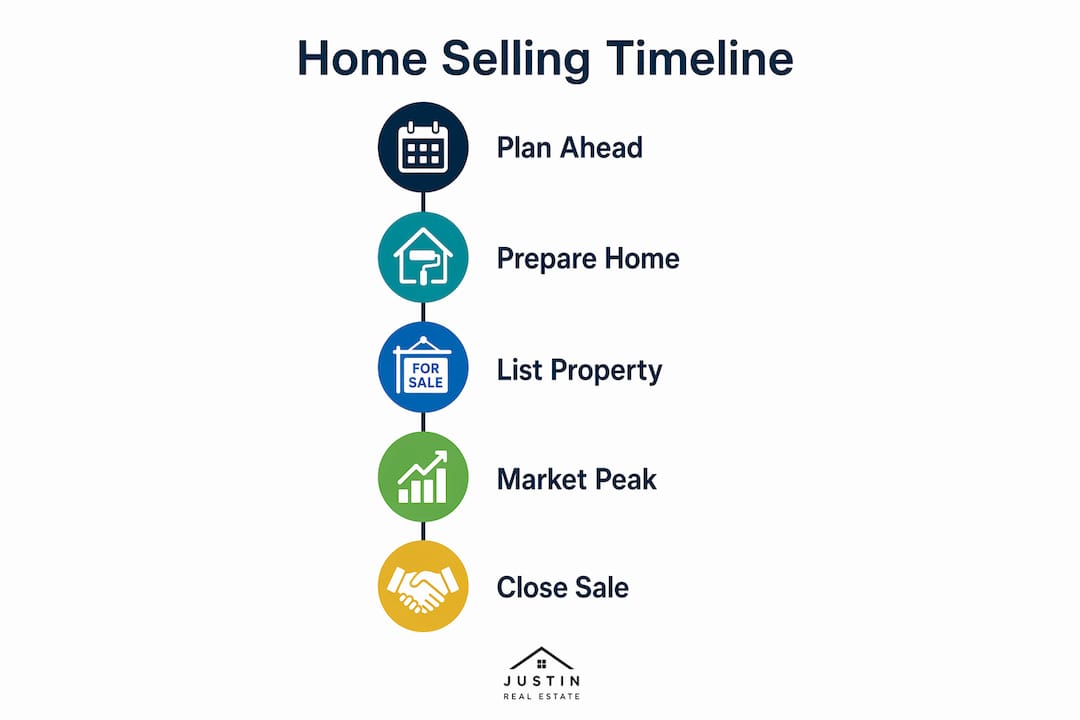
Proper timing in real estate sales is defined as the alignment of market conditions, seller readiness, and property preparation to maximize sale price and minimize time on market. Why proper timing matters when selling comes down to three measurable outcomes: how much you net, how fast you close, and how many buyers compete for your property. Zillow's 2026 analysis shows that listing in a seasonal peak can earn thousands more than listing at the wrong time of year. Homes listed in mid-April sell about 17% faster than the annual average. Those two facts alone make timing one of the highest-leverage decisions you will make as a seller.

Why proper timing matters when selling your property
Timing in real estate is not a vague concept. It is a set of measurable variables that directly affect your final sale price, your negotiating position, and the size of your buyer pool.
Market seasonality and peak demand windows
Spring is the strongest selling season in most American markets. Homes listed in mid-April sell roughly 9 days faster than the annual average. That speed matters because days on market is one of the first things buyers use to judge whether a property is overpriced or undesirable.
Late may is the sweet spot for price premiums. Listing in late May can yield a 1.7% premium nationwide, with markets like San Jose and Boston showing premiums above 3%. On a $900,000 Southern California home, a 1.7% premium equals more than $15,000 in additional proceeds.
The april through june window works because families want to move before the school year ends, tax refunds have hit bank accounts, and longer daylight hours make homes photograph and show better. All three forces converge to push buyer demand to its annual peak.
Local market nuances
National averages do not tell the full story. Premium sale windows shift by region, and Southern California has its own rhythm. Coastal markets in Los Angeles and Orange County often see strong buyer activity extend into early summer, while inland areas cool faster. Sellers who rely only on national data miss the local timing edge that California-specific market insights can provide.
Economic conditions and interest rates
Interest rates directly affect how many buyers can qualify for a mortgage at your asking price. When rates rise, monthly payments increase, and some buyers drop out of the market entirely. This shrinks your buyer pool and reduces competitive bidding. You cannot control rates, but you can monitor them and avoid listing during periods of rapid rate increases when buyer sentiment is weakest.
Asset and pricing readiness
A home that is not ready to show cannot benefit from peak demand. Deferred maintenance, cluttered interiors, and outdated pricing all undercut the timing advantage. Timing improves when asset performance, buyer environment, and owner motivation align; any mismatch harms the outcome. Your property must be in its best condition before it hits the market, not after.
Pro Tip: Track your local market's median days on market each month for six months before you plan to list. When that number drops below its 12-month average, buyer demand is rising and your timing window is opening.
How seller readiness shapes your sale outcome
Market conditions create the opportunity. Seller readiness determines whether you can take it.
The preparation timeline most sellers underestimate
Preparing a home for sale typically takes one to three months when done properly. That includes repairs, deep cleaning, decluttering, staging, professional photography, and gathering all relevant documents. Sellers who compress this timeline into two weeks cut corners that buyers notice. A missed repair or a poorly staged room gives buyers a reason to negotiate the price down.
The parallel from business sales is instructive. Starting exit planning 6 to 24 months before emotional readiness maximizes deal value. Property sellers face the same dynamic. The earlier you start preparing, the more control you have over the outcome.
Why emotional readiness matters financially
Sellers who list under pressure accept worse terms. A job relocation with a hard deadline, a divorce, or a financial emergency forces you to take the first reasonable offer rather than the best one. Buyers and their agents recognize urgency. It shows up in lowball offers and aggressive contingency requests.
Sellers who exit while their asset is growing and before burnout secure better prices and stronger negotiating positions. The same logic applies to homeowners. Selling from a position of choice, not necessity, keeps leverage on your side of the table.
What a fully prepared property looks like
A sale-ready home checks four categories before listing:
- Condition repairs: Fix all visible defects. Buyers will find them in inspection anyway, and pre-listing repairs cost less than post-inspection price reductions.
- Staging and presentation: Staged homes sell faster and for more. Home staging steps that align with your listing date give buyers an emotional connection to the space.
- Pricing accuracy: An overpriced home sits on the market and accumulates stigma. Price it right from day one based on current comparable sales, not what you hope to net.
- Document readiness: Have your title, HOA documents, permit history, and disclosure forms organized before you list. Delays in document delivery kill deals.
Pro Tip: Work backward from your target listing date. If you want to list in late April, start your preparation in january. That gives you a full three months to complete repairs, stage the home, and hire your agent without rushing.
Common myths about timing your property sale
The biggest mistake sellers make is waiting for perfect conditions. That wait almost always costs more than it saves.
The myth of the perfect market peak
Perfectly timing the top of a real estate market is nearly impossible. Macroeconomic variables are unpredictable; seller focus should be on asset and personal readiness instead. Markets shift faster than preparation timelines. By the time you recognize a peak, it has often already passed.
Sellers who wait for the "perfect" moment frequently encounter a different reality. Prices plateau or decline. Inventory rises. Buyers gain negotiating power. The window closes before the home is ready to list.
The myth that waiting always pays off
Waiting has a real cost. A property that sits unsold for 12 months while you wait for better conditions still requires mortgage payments, property taxes, insurance, and maintenance. Those carrying costs erode the premium you were hoping to capture.
"Good preparation outweighs perfect market timing. Market peaks are almost impossible to predict and shift rapidly. Sellers who focus on readiness consistently outperform those who focus on waiting."
What actually produces the best outcome
The best timing is not about catching the market's absolute peak. It aligns three things at once: your property is in excellent condition, the local market shows active buyer demand, and you are selling from a position of choice rather than pressure. Reaching buyers when their needs and triggers align with your listing increases sale success. That alignment is achievable with planning. It is not achievable by waiting indefinitely.
Practical strategies for choosing the best time to list
Knowing that timing matters is not enough. You need a process for identifying and acting on your optimal window.
Monitor local market data consistently
Do not rely on national headlines. Pull your local MLS data monthly and track three metrics: median sale price, median days on market, and the list-to-sale price ratio. When days on market drops and the list-to-sale ratio rises above 100%, your local market is in a seller-favorable phase.
Realtor.com and local MLS reports publish this data regularly. Use it to build a six-month picture of your market's direction before you commit to a listing date.
Plan backward from peak selling windows
The spring selling window opens in march and peaks in april through may. To list in that window, your preparation must begin in january at the latest. Use this framework:
- Months 1 to 2: Complete repairs, hire a stager, and gather documents.
- Month 3: Professional photography, agent selection, and pricing analysis.
- Week 1 of listing: Go live on MLS during a Thursday or Friday to capture weekend showings.
Track buyer sentiment and financing trends
When mortgage rates drop even slightly, buyer activity spikes within weeks. Monitor weekly mortgage application data from industry sources. A sustained uptick in applications signals that more qualified buyers are entering the market. That is the moment to have your home ready to list, not the moment to start preparing.
Use the following framework to evaluate your timing readiness
| Readiness Factor | Green Light Signal | Red Light Signal |
|---|---|---|
| Property condition | Repairs complete, staged, and photographed | Deferred maintenance, no staging |
| Market demand | Days on market falling, multiple offers common | Rising inventory, price reductions widespread |
| Seller motivation | Selling by choice, flexible timeline | Forced sale, hard deadline |
| Pricing accuracy | Priced at or below current comps | Priced above recent comparable sales |
| Document readiness | Title, disclosures, and HOA docs organized | Missing permits or unresolved liens |
Consult a local expert early
A local real estate professional sees patterns in your specific market that no national report captures. Increaltors works with homeowners across Los Angeles and Orange County to identify the precise window when local demand, property condition, and pricing align. Starting that conversation six to twelve months before your target sale date gives you the most options. Sellers who prepare 18 to 24 months ahead achieve stronger outcomes and face fewer surprises at closing.
Key Takeaways
Proper timing in real estate requires aligning market seasonality, property preparation, and seller readiness to maximize sale price, buyer competition, and transaction speed.
| Point | Details |
|---|---|
| Spring is the peak selling window | Homes listed in mid-April sell roughly 9 days faster and command higher prices than off-season listings. |
| Late May earns a price premium | Zillow's 2026 data shows a 1.7% nationwide premium for late May listings, with some markets exceeding 3%. |
| Preparation takes 1 to 3 months | Starting repairs, staging, and document gathering early prevents rushed listings that cost you negotiating leverage. |
| Perfect timing is a myth | Waiting for ideal market conditions consistently underperforms a well-prepared listing in a good market. |
| Seller motivation affects price | Selling under pressure signals urgency to buyers and weakens your negotiating position at every stage. |
Timing is the variable most sellers ignore
I have worked with homeowners across Southern California who lost tens of thousands of dollars not because the market failed them, but because they listed at the wrong time for the wrong reasons. They waited too long, or they rushed because life forced their hand. Both mistakes are avoidable.
The sellers who do best are the ones who treat their sale like a project with a deadline. They pick a target listing date, work backward to build a preparation timeline, and stay disciplined about not listing before the home is ready. They also do not obsess over catching the absolute top of the market. Preparation timelines for high-value sales typically run 6 to 9 months; shortcuts compress your final price and increase the risk of deals falling apart.
What I tell every seller I work with is this: the market will give you a window. Your job is to be ready when it opens. If you are not ready, the window closes and you either wait another year or sell at a discount. Neither outcome is acceptable when a little planning could have prevented it.
The sellers I have seen get the best results share one trait. They started early. They called me six months before they thought they needed to. That lead time let us fix the right things, price the home accurately, and list it at the moment when buyer demand in their neighborhood was strongest. That is not luck. That is preparation meeting opportunity.
— Irvin Nierras
Sell at the right time with Increaltors
Timing your sale correctly in the Los Angeles and Orange County markets requires more than a calendar. It requires current data, local expertise, and a preparation plan built around your specific property and goals.

Increaltors provides homeowners and investors with localized market timing insights, professional staging guidance, and accurate pricing analysis to position your property for the strongest possible sale. Whether you own a single-family home or a condo, the process starts with understanding what your property is worth right now and what the market looks like in your neighborhood. Explore current listings and market data to see how Increaltors positions properties for peak-season success, or get a free home valuation to start your planning today.
FAQ
Why does timing affect how much I sell my home for?
Listing during peak demand periods, such as late april through may, attracts more competing buyers. More competition drives offers above asking price and reduces buyer negotiating power.
What is the best time of year to sell a home?
Mid-April through late May is the strongest national window, with homes selling faster and at higher prices. Local markets like Los Angeles and Orange County may extend that window into early summer.
How far in advance should I start preparing to sell?
Start at least three months before your target listing date for repairs, staging, and document preparation. If your property needs significant work, six months is a safer timeline to avoid a rushed listing.
Can I time the market perfectly?
No. Waiting for perfect market conditions is a myth. A well-prepared home listed in a good market consistently outperforms a poorly prepared home listed at a theoretical peak.
How does seller motivation affect the sale price?
Sellers under pressure accept lower offers because buyers detect urgency. Selling by choice, with a flexible timeline, preserves your ability to reject weak offers and wait for the right buyer.