
Use a room-by-room, California-specific checklist. Confirm your inspector's duties (and limits) under state law before you hire anyone. That's the whole answer. The details, though, are where most buyers and sellers get tripped up.
Start with a printable template like the InterNACHI checklist, which covers roof, foundation, systems, and safety items in a standard format inspectors already recognize. Pair it with a plain-language read of California Business and Professions Code §7195, which defines what a "home inspection" legally is in this state, and Civil Code §1102, which sets the seller's disclosure duties you'll compare against the inspector's findings.
Here's the one legal fact worth remembering before anything else: California defines a home inspection as a noninvasive physical exam of a 1 to 4 unit residential property, and it makes contract clauses that try to waive an inspector's duty of care legally invalid. That single detail changes how you read every inspection report you'll ever see in this state.
Before you schedule anything, confirm these priority areas get eyes on them:
- Roof condition, flashing, and gutters
- Foundation and visible structural cracks
- Electrical panel capacity and visible wiring hazards
- Plumbing shutoffs, water heater age, and visible leaks
- HVAC function and age
- Smoke detectors, carbon monoxide detectors, and egress windows
- Pool or spa drowning-prevention features, if applicable
Key Takeaways
A California home inspection is only as useful as the checklist behind it and the legal protections you actually understand before signing anything.
| Point | Details |
|---|---|
| Download a standard checklist | Start with an InterNACHI-style template and add California-specific items like pool safety and wildfire hardening. |
| Verify inspector credentials | Confirm InterNACHI or ASHI affiliation and request proof of current E&O insurance before booking. |
| Know the legal limits | Inspections are noninvasive under B&P §7195, and liability-waiver clauses are invalid under §7198. |
| Compare TDS to the report | Cross-check the seller's Transfer Disclosure Statement against inspection findings and flag discrepancies fast. |
| Work with a local agent | Increaltors helps Southern California buyers and sellers interpret reports and negotiate repairs or credits efficiently. |
Where These Facts Come From
- California Business and Professions Code §7195 (chapter text) — the statutory definition of a home inspection and its scope limits
- California Business and Professions Code §7197 — conflict-of-interest and repair prohibition rules
- Disclosures in Real Property Transactions (RE 6) — California DRE — official guidance on TDS requirements and broker duties
- Home Inspection Checklists — InterNACHI — printable, standardized checklist templates
- Home Inspection Requirements for California — Professional Association summary — consumer-facing regulatory overview
- What Is a Seller's Disclosure? — DealAnalyzerAI — a closer look at comparing disclosure content to inspection findings
This article provides general information about California home inspections and is not a substitute for professional legal or real estate advice. Confirm current statutory requirements with the primary sources above or a licensed California attorney or real estate professional.
Table of Contents
- What Should Be on a California Home Inspection Checklist?
- What Does California Law Require of Home Inspectors?
- How Long Does a Home Inspection Take in California?
- How Do You Choose a Reliable Home Inspector in California?
- Local Notes for Southern California Buyers and Sellers
- Sources
What Should Be on a California Home Inspection Checklist?
A complete checklist moves through the property systematically, not randomly. Inspectors trained on InterNACHI's Standards of Practice tend to work exterior to interior, top to bottom, which gives you a natural template to follow whether you're a buyer walking through with your agent or a seller doing pre-listing prep.
Exterior and structure
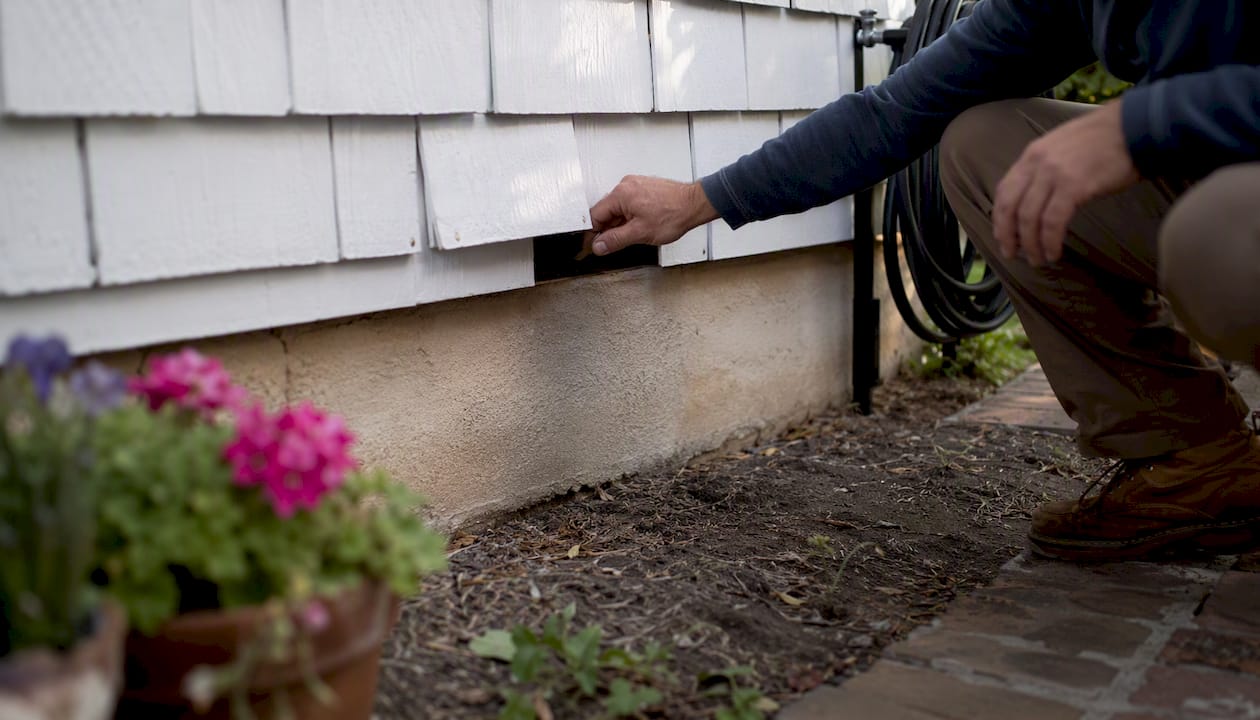
Check the roof for missing or curling shingles, damaged flashing around chimneys and vents, and gutter attachment. Look at the grading around the foundation. Water should slope away from the house, not toward it. Retaining walls need a visual check for bulging or cracking, and any visible foundation cracks wider than a hairline deserve a second look from a structural engineer.
Inside, walk the interior for framing red flags: sagging floors, doors that stick or won't latch, ceiling cracks that trace a straight line (often a sign of settling), and window seals that have failed and fogged.
Attic, crawlspace, and hidden spaces
Attic access should be checked for insulation coverage, ventilation, and any staining that suggests roof leaks or pest activity. Crawlspaces and basements get a visual pass for moisture, ventilation, and pest evidence, though inspectors generally won't crawl into tight or unsafe spaces. That's a limitation worth knowing upfront, not discovering after closing.
The core systems, one by one
- Plumbing. Locate the main water shutoff, check visible pipes for corrosion or leaks, and note the water heater's age and fuel type. If the property runs on septic rather than sewer, that's a trigger for a specialist inspection, not a general one.
- Electrical. The inspector should identify the panel type, its amperage capacity, and whether AFCI/GFCI protection exists where code requires it. Federal Pacific or Zinsco panels, common in older Southern California homes, are a known fire-risk flag worth researching separately.
- HVAC. Confirm the age of the furnace and air conditioning unit, check filters, and look for visible duct damage or disconnection.
- Kitchen and appliances. Appliance age, gas line visibility, and range venting all matter, especially in homes that have had DIY kitchen remodels.
- Bathrooms. Exhaust fans should vent to the exterior, not just into the attic. Check under sinks and around tubs for water staining.
- Garage. The automatic door reverse mechanism must function, and the firewall separating an attached garage from living space should be intact.
- Safety items. Smoke and CO detectors in the right locations, functional egress windows in bedrooms, secure handrails on stairs.
For pools and spas, California law requires an inspection to identify recognized drowning-prevention safety features present and to flag if fewer than two exist. This detail comes straight from the same statute that defines home inspections, and it's one buyers with young families should read carefully rather than skim.
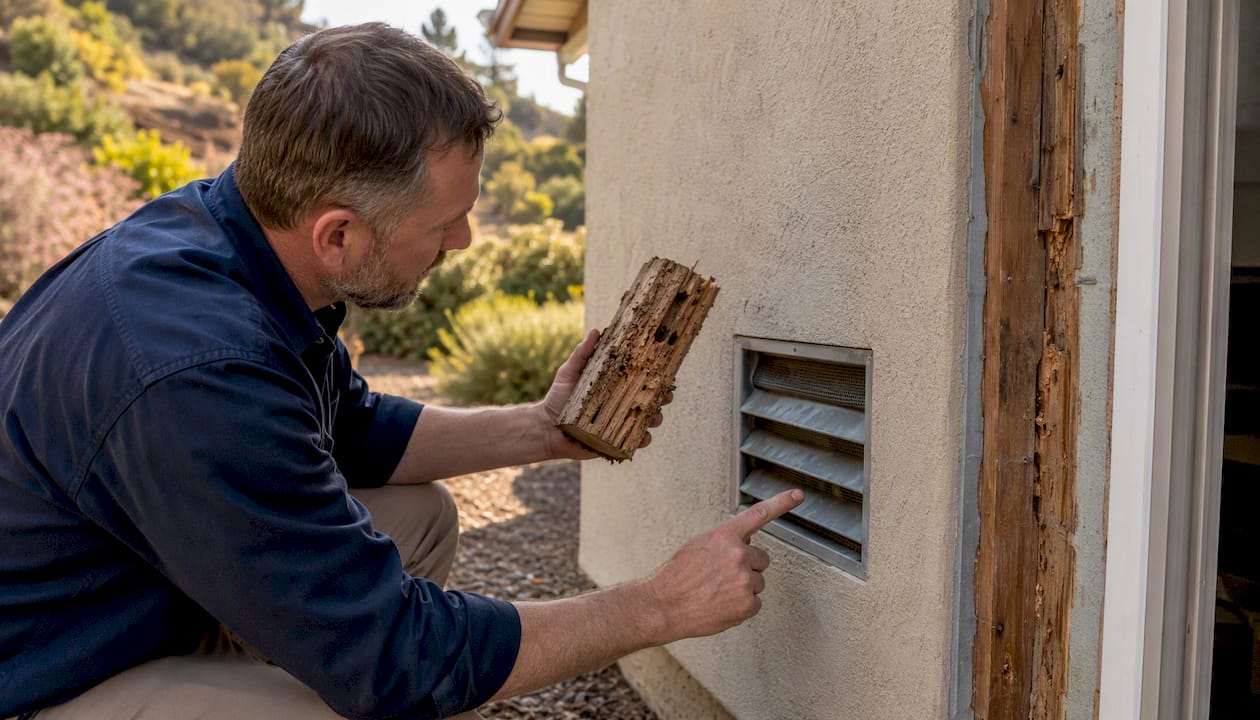
California adds a few more layers worth flagging inline: termite and wood-destroying organism evidence (extremely common statewide), wildfire-hardening features in high-risk zones (ember-resistant vents, Class A roofing), and environmental hazard disclosures tied to the Transfer Disclosure Statement.
Pro Tip: Run through the same checklist twice: once as a casual pre-inspection walk-through before you make an offer, and again mentally while reading the professional report. Sellers can use the identical list two months before listing to catch and fix cheap items, like a $12 GFCI outlet, before a buyer's inspector finds them and asks for a $500 credit.
What Does California Law Require of Home Inspectors?
California doesn't require inspectors to hold a single state license the way it licenses contractors or real estate agents. Instead, the protections come from Business and Professions Code Sections 7195 through 7199, and knowing what those sections actually say puts you in a stronger position at the negotiating table.
Section 7195 sets the legal definition: a home inspection is a noninvasive, physical exam of a residential building with one to four units, focused on mechanical, electrical, plumbing, and structural components to spot material defects. Noninvasive matters. It means your inspector isn't required to pull up carpet, move furniture, or cut into walls. Hidden defects behind finished surfaces are routinely excluded from standard reports, which is exactly why specialist tests exist for cases where something looks suspicious.
Section 7197 is the one to remember when you're vetting candidates. It makes it an unfair business practice for an inspector or their company to perform paid repairs on a property they inspected within the prior 12 months, and it bars them from inspecting a property they have a financial stake in. That rule exists because an inspector who profits from finding (and then fixing) problems has an obvious incentive to find more than what's actually there.
Section 7196 establishes a duty of care, and Section 7198 backs it up by making any contract clause that tries to waive that duty, or cap liability at the cost of the report, invalid as a matter of public policy. If an inspector hands you a contract limiting their liability to $300 regardless of what they miss, that clause doesn't hold up under California's statutory framework, even if you sign it.
Then there's the seller's side: Civil Code §1102 requires a Transfer Disclosure Statement on most 1 to 4 unit residential sales, along with the Environmental Hazards pamphlet when it applies. The DRE's own guidance makes clear that brokers carry a separate duty to perform a reasonably competent visual inspection and disclose material facts they observe, which runs alongside, not instead of, your independent inspector's report. Comparing the TDS against the inspection report line by line is one of the more useful five-minute exercises a buyer can do, and any real discrepancy between the two documents is worth raising with your agent immediately.
| Statute or Document | What It Covers | What Buyers Should Do |
|---|---|---|
| B&P §7195 | Defines home inspection scope, noninvasive limits, pool/spa reporting | Confirm your report states which drowning-prevention features are present |
| B&P §7197 | Bars inspectors from doing paid repairs on properties they inspected | Ask directly whether the inspector or firm offers repair services |
| B&P §7198 | Invalidates liability-waiver clauses in inspection contracts | Read the contract; flag any clause capping damages at the report fee |
| Civil Code §1102 | Requires seller TDS and Environmental Hazards pamphlet | Compare TDS disclosures against inspection findings for gaps |
For a deeper look at how the disclosure side works in practice, our guide on real estate disclosures for California buyers walks through the TDS process step by step, and natural hazard disclosure requirements cover the environmental side in more depth.
How Long Does a Home Inspection Take in California?
Most single-family home inspections run a few hours, though the exact time depends heavily on square footage, the number of systems in the house, and whether the property includes a pool, guest house, or other outbuildings. A 1,200-square-foot condo with no yard moves faster than a 3,500-square-foot hillside home with a pool, a detached garage, and a septic system.
Several add-on inspections come up often enough in California transactions that it's worth budgeting for them before you're mid-escrow and scrambling:
- Structural engineer review — when the general inspector flags foundation movement or framing concerns
- Termite and wood-destroying organism report — extremely common statewide, sometimes required by lenders
- Sewer scope — critical for homes over 20 years old, especially where mature trees sit near the sewer line
- Roof certification — often requested by insurers, separate from the general inspector's visual roof check
- Pool and spa inspection — beyond the drowning-prevention features, checking equipment and structural integrity
- HVAC or chimney specialist — for older systems where the general inspector notes something beyond their scope
Timing matters more in California than people expect, mostly because standard purchase contracts build inspection contingencies into a tight window, often around 17 days from acceptance. If your general inspector flags something during the walk-through that needs a specialist, order that specialist immediately rather than waiting for the full written report. Waiting costs you contingency days you can't get back. Our piece on earnest money and escrow timelines breaks down how these deadlines interact with your deposit.
Costs vary by region, home size and age, and whichever add-ons you order, so the most reliable way to gauge a fair price is asking two or three local firms for sample reports and fee ranges rather than trusting a single quoted number in isolation.
How Do You Choose a Reliable Home Inspector in California?
Because California has no unified state license for home inspectors, verification falls on you. That's not a gap in the system so much as a shift in where the responsibility sits, and it's manageable if you know exactly what to check.
Start with affiliation. Membership in InterNACHI or the American Society of Home Inspectors (ASHI) signals the inspector has agreed to a Standards of Practice and continuing education requirements, which functions as a practical substitute for the license California doesn't issue. Industry guidance consistently points to this membership check, along with proof of professional liability (errors and omissions) insurance, as the two strongest signals of accountability available to consumers in this state.
Here's a short interview script for your first call or email:
- How many years have you been inspecting homes in California specifically?
- Can I see a full sample report, including photos, before I book?
- Are you InterNACHI or ASHI certified, and can you send proof?
- Do you carry current E&O insurance, and can I see a certificate?
- Do you perform sewer scopes, roof certifications, or other specialty tests, or will I need a separate vendor?
- What's your typical turnaround time for the written report?
Watch for these red flags, any one of which should end the conversation:
- The inspector or their company offers to perform repairs on the property they just inspected (a direct violation of Section 7197)
- The contract tries to cap liability at the cost of the inspection fee (invalid under Section 7198, but plenty of templates still include it)
- They refuse to provide a sample report before you book
- They can't produce proof of insurance on request
- Findings seem to hinge on whether you agree to buy add-on services from them
You can cross-check credentials against InterNACHI's certified inspector directory and general state-regulatory summaries, and a quick business registration search confirms the company is actually reachable if something goes wrong later.
Local Notes for Southern California Buyers and Sellers
Southern California homes carry a handful of recurring issues that show up in inspection reports more than in other parts of the state, and knowing them ahead of time saves you from being blindsided.
Termite activity tops the list. It's common enough across the region that most escrow timelines assume a wood-destroying pest report will happen, whether or not the general inspector flags visible evidence. Improper grading is the second recurring theme, particularly in hillside communities where landscaping changes over the years have quietly redirected water toward the foundation instead of away from it. Along the coast, salt air accelerates wear on roofing, fascia boards, and exterior metal fixtures faster than inland properties experience. Stucco cracking from seasonal expansion and contraction is nearly universal and usually cosmetic, but a trained eye can tell the difference between a hairline crack and a structural one.
In designated high fire-risk zones, inspectors and agents increasingly call out ember-resistant vents, defensible space clearance, and Class A roofing materials, either as items for the seller to address before listing or as leverage for a buyer's credit request. Broken or misaligned irrigation lines deserve attention too, since a sprinkler head spraying directly at a foundation wall for years can quietly cause the kind of moisture damage that only shows up once you're already asking questions about a stucco stain.
Pro Tip: If a property shows old termite treatment tags in the garage or crawlspace access, photograph them and ask the seller for the original treatment report. It tells you what was treated, when, and whether the problem ever fully resolved.
A Southern California Agent's View on Inspection Negotiations
Inspection reports rarely kill a deal outright. What they do is set the agenda for the next conversation. On one recent listing, a pre-listing inspection caught a failing water heater and a couple of ungrounded outlets, both cheap fixes that got handled before the home ever hit the market. That preemptive move meant zero repair requests during the buyer's own inspection period, which kept escrow moving on schedule instead of adding a week of back-and-forth.
Buyers walk through with a checklist in hand for a reason: it turns a stressful, emotional moment into a structured one. Sellers do the same thing in reverse, using the identical list weeks before listing to catch the small, cheap items that otherwise turn into negotiating leverage for a buyer's agent. Either way, having a report in hand, sample or otherwise, changes the conversation from "trust me" to "here's exactly what we're looking at."
How Increaltors Helps You Navigate the Inspection Process
Increaltors gives Southern California buyers and sellers something a checklist alone can't: someone who reads the inspection report the same day it lands and tells you which items are actually worth negotiating versus which ones are noise.

Coordinating an inspection on your own means finding a qualified inspector, confirming their InterNACHI or ASHI status, comparing their findings against the seller's Transfer Disclosure Statement, and figuring out whether a flagged item needs a $150 specialist or a $15,000 repair. That's a lot to sort through solo while you're also juggling contingency deadlines. Working with an agent who does this regularly means those decisions get made faster, with local context on what's normal for a 1960s Orange County ranch versus a hillside build in the San Gabriel foothills.
If you're actively shopping, browse current listings to see what's on the market right now, or if you're preparing to sell, get a free home valuation before your pre-listing inspection so you know where repairs actually move the needle on price. From there:
- Contact Increaltors directly to talk through your specific property or timeline
- Ask for a referral to a vetted, insured local inspector
- Schedule a walk-through before your inspection window opens
Sources
- California Business and Professions Code §7195 (chapter text)
- California Business and Professions Code §7197 (conflict-of-interest and repair prohibitions)
- Disclosures in Real Property Transactions (RE 6) — California Department of Real Estate (DRE)
- Home Inspection Checklists — InterNACHI
- Home Inspection Requirements for California — Professional Association summary