

TL;DR:
- Selling as-is means the home is sold in current condition, with disclosure of known defects required.
- As-is sales often close faster and involve lower repair costs but typically bring lower offers.
- Legal obligations include full disclosure of material defects and honest communication, regardless of sale type.
Selling your home as-is sounds simple on the surface: list it, skip the repairs, and move on. But many Southern California homeowners are surprised to find that as-is does not mean zero responsibility. You still have legal obligations, buyers still negotiate, and the price you walk away with depends heavily on how well you understand the process. This guide breaks down exactly what an as-is sale means in California, what the law requires of you, how the process works from start to finish, and what you can realistically expect when you go this route.
Table of Contents
- What does 'as-is' really mean in real estate?
- Pros and cons of selling your home as-is
- Legal requirements and disclosures in Southern California
- The as-is sale process: Step-by-step for homeowners
- A veteran agent's take: What sellers should really know about as-is sales
- Ready for your next step? Explore your as-is sales options
- Frequently asked questions
Key Takeaways
| Point | Details |
|---|---|
| Definition of as-is | An as-is sale means selling a property without agreeing to make repairs but you must still disclose issues. |
| Legal disclosures required | California law mandates that you reveal all known material defects even in as-is deals. |
| Pros and cons | As-is sales can be quicker and cheaper for sellers, but often bring lower prices and fewer buyers. |
| Negotiations still happen | Buyers may still ask for repairs, credits, or lower prices after their own inspection. |
| Expert help available | Local real estate professionals can help guide you through as-is sales and avoid common pitfalls. |
What does 'as-is' really mean in real estate?
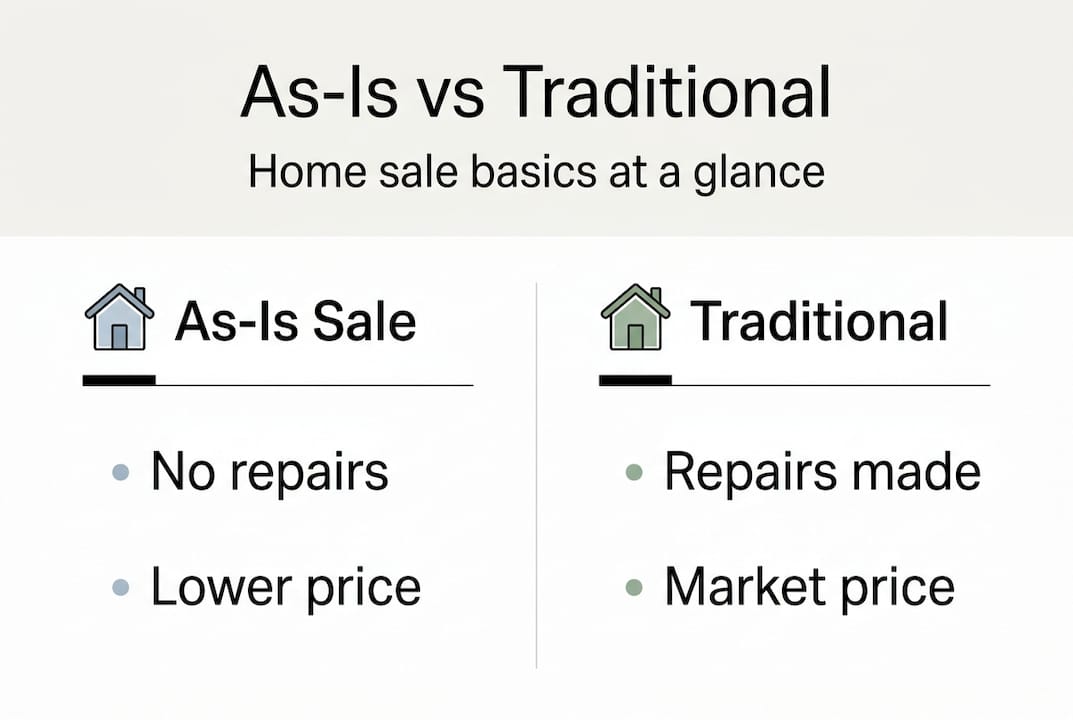
An as-is sale means you are selling the property in its current condition, without making repairs or improvements before closing. You are essentially telling buyers: what you see is what you get. But here is where most people get tripped up. As-is does not mean you get to hide problems.
In practical terms, an as-is listing affects your obligations around fixing things, not around telling the truth about them. Buyers still have the right to inspect the property. You still have to answer questions honestly. And in California, the rules around disclosure are among the strictest in the country.
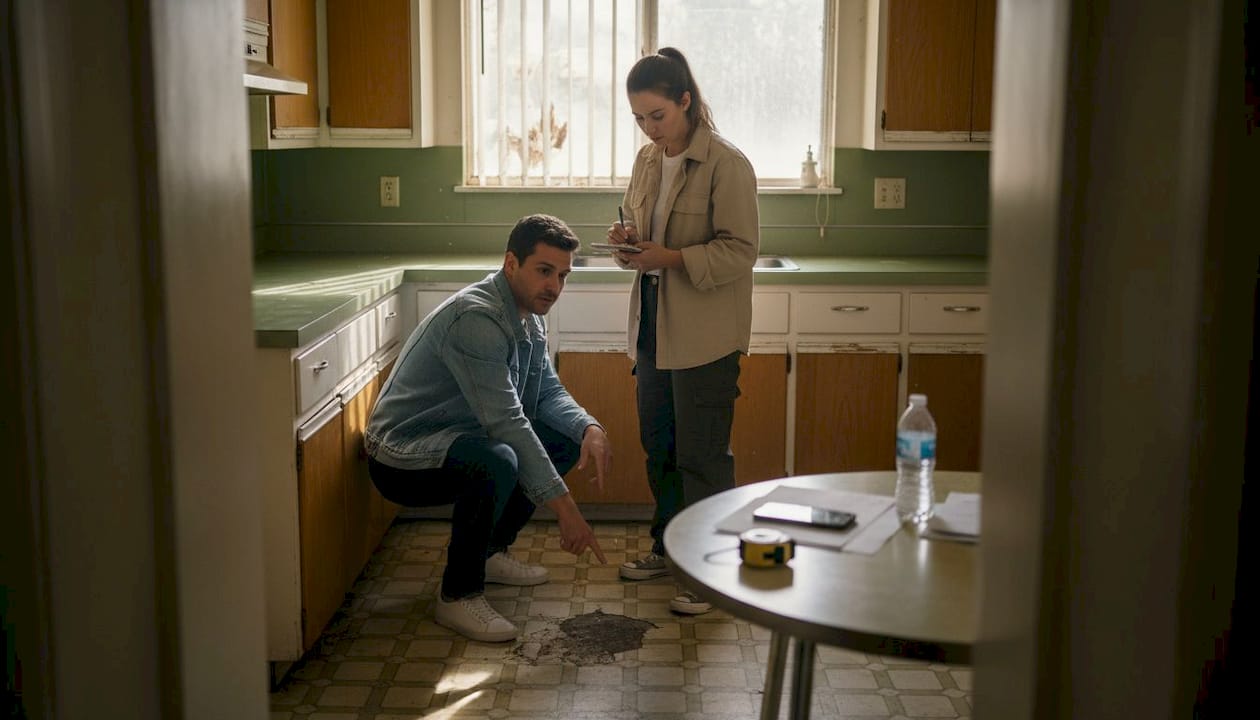
California disclosure laws make clear that sellers must reveal known defects regardless of how the property is listed. The California Department of Real Estate confirms that sellers are still required to disclose known property defects even in as-is sales. That means if you know the roof leaks, the foundation has cracks, or there is mold in the walls, you cannot simply list the home as-is and stay quiet.
Here is what an as-is sale does and does not cover:
- Does cover: Your right to refuse repair requests after inspection
- Does cover: Selling without upgrading or renovating before listing
- Does cover: Pricing the home to reflect its current condition
- Does NOT cover: Hiding known defects from buyers
- Does NOT cover: Skipping required disclosure forms
- Does NOT cover: Avoiding legal liability if problems are discovered post-sale
Many sellers assume that selling your home as-is is a way to walk away clean from a complicated property. That is partially true. You can avoid the stress and cost of repairs. But you cannot avoid honesty.
Pro Tip: Even if you are selling as-is, consider ordering a pre-listing inspection. When you know exactly what is wrong with the property, you can price it accurately and disclose confidently. Buyers who feel informed are less likely to back out or demand steep credits later.
Pros and cons of selling your home as-is
After defining the as-is sale, let's break down why homeowners might choose or avoid this route. The decision is rarely black and white, and the right answer depends on your financial situation, timeline, and the condition of the property.
The advantages are real. Selling as-is can dramatically speed up the process. You skip contractor bids, renovation timelines, and the stress of managing repairs while still living in the home. For homeowners facing foreclosure, divorce, relocation, or an inherited property they cannot afford to fix up, this speed matters enormously.
As-is listings also appeal to a specific type of buyer. Many homes sold as-is attract investors or flippers who are prepared to pay below market value. These buyers come in with cash, move fast, and rarely need financing contingencies. That means fewer deals falling through at the last minute.
But the tradeoffs are significant. You will almost certainly receive lower offers. Buyers factor in the cost and risk of repairs, then subtract a buffer for the unknown. That buffer can be substantial in Southern California, where renovation costs run high.
You also narrow your buyer pool. Many families using conventional financing cannot purchase a home that has serious structural or safety issues, because lenders will not approve the loan. That leaves you competing for a smaller group of cash buyers and investors.
Here is a quick comparison to help you weigh the options:
| Factor | Traditional sale | As-is sale |
|---|---|---|
| Sale price | Closer to market value | Typically 10 to 20% below market |
| Time to close | 45 to 60 days average | Can close in 2 to 3 weeks |
| Repair costs | Seller often pays | Buyer assumes responsibility |
| Buyer pool | Broad (financed and cash) | Narrower (investors, cash buyers) |
| Negotiation complexity | Higher | Lower, but still present |
| Stress level | Moderate to high | Lower upfront, but legal risk remains |
For a realistic sense of what your home is worth in its current state, reviewing home valuation considerations can help you set expectations before you list.
Pro Tip: If the cost of repairs exceeds 10 to 15% of your home's expected sale price, an as-is sale often makes more financial sense. Run the numbers with a local agent before committing either way. The math sometimes surprises people.
For a broader look at how as-is sales perform in today's market, Realtor.com on as-is sales offers useful context on buyer behavior and pricing trends.
Legal requirements and disclosures in Southern California
Once you know the benefits and risks, it is essential to understand your legal responsibilities when listing as-is. California has some of the most detailed disclosure requirements in the United States, and ignoring them is not an option.
The California Association of Realtors is direct on this point:
"California law mandates disclosure of material facts even in as-is sales. Sellers who fail to disclose known defects can face legal action, rescission of the sale, or financial damages."
A material fact is anything that would affect a buyer's decision to purchase the property or the price they are willing to pay. That covers a wide range of issues, from structural damage and plumbing problems to neighborhood nuisances and past insurance claims.
Here is the step-by-step disclosure process for Southern California sellers:
- Complete the Transfer Disclosure Statement (TDS). This is a required form that covers the condition of the home's systems, appliances, and structure.
- Fill out the Seller Property Questionnaire (SPQ). This goes deeper into known issues, past repairs, and neighborhood factors.
- Provide a Natural Hazard Disclosure (NHD) report. This identifies whether the property sits in a flood zone, fire hazard area, or earthquake fault zone.
- Disclose any HOA documents if the property is part of a homeowners association.
- Reveal any known environmental hazards, including lead paint in homes built before 1978.
For a full breakdown of required disclosures for as-is sales, working with a local agent ensures nothing gets missed. The NAR overview of as-is sales also provides useful national context on how disclosure obligations apply across different sale types.
Failing to disclose known defects can result in lawsuits after closing, even if the sale has already completed. Courts in California have consistently sided with buyers in these cases. The legal exposure is simply not worth the risk.
The as-is sale process: Step-by-step for homeowners
With legal obligations clear, here is how the as-is sales process typically plays out for homeowners in Southern California.
- Assess the property honestly. Walk through the home and document every known issue. This protects you legally and helps you price realistically.
- Price it right from the start. Overpricing an as-is home is one of the most common mistakes. Buyers and their agents know what repairs cost. Price it to reflect the condition, not the wishful thinking.
- List the property clearly as-is. Your listing should state the as-is condition upfront so buyers come in with accurate expectations.
- Accept buyer inspections. Most as-is properties still undergo buyer inspections, which often trigger negotiation. Do not be surprised when the inspection report comes back with a list of issues.
- Negotiate strategically. You can say no to repair requests, but you may need to offer credits or adjust the price to keep the deal alive.
- Close efficiently. With fewer contingencies and often cash buyers, as-is sales can move quickly once both parties agree on terms.
Here is a simplified timeline to give you a realistic picture:
| Stage | Typical timeframe |
|---|---|
| Prep and pricing | 1 to 2 weeks |
| Listing goes live | Day 1 |
| Offers received | Days 5 to 14 |
| Inspection period | 7 to 10 days after acceptance |
| Negotiation (if any) | 2 to 5 days |
| Closing | 7 to 21 days after agreement |
Tracking local market trends during this process helps you understand how quickly homes are moving in your specific neighborhood, which affects how aggressively you need to price. For a detailed walkthrough of what to expect, steps to selling as-is from Zillow provides practical guidance on each phase.
A veteran agent's take: What sellers should really know about as-is sales
Here is something most articles will not tell you: almost no as-is sale is truly as-is by the time it closes. Nearly every deal involves some form of negotiation after the inspection, whether that is a price reduction, a repair credit, or the seller agreeing to fix one specific item to keep the buyer from walking.
Sellers who go in expecting zero negotiation often end up frustrated or lose buyers unnecessarily. The more realistic mindset is this: you are selling without making repairs upfront, but you should still expect the conversation to happen.
I have seen sellers succeed beautifully with as-is sales when they priced honestly, disclosed everything, and stayed flexible on credits. I have also seen sellers lose deals because they refused to budge even slightly after a buyer's inspection revealed a legitimate safety issue.
The sellers who struggle most are usually the ones who got bad advice early. Someone told them as-is means no responsibility, and they ran with it. That misunderstanding costs time, money, and sometimes ends in litigation.
Working with an experienced agent from the start changes the outcome. The right guidance sets realistic expectations, keeps the deal on track, and protects you legally throughout the process.
Ready for your next step? Explore your as-is sales options
If you are considering selling as-is, personalized help can make all the difference. Knowing the rules is one thing. Applying them to your specific property, neighborhood, and financial situation is another.

At INC Realtors, we work with Southern California homeowners every day who are navigating exactly this decision. Whether you want to sell your home as-is, understand what it is actually worth in its current condition by visiting get your home value, or check how properties are moving in your area at view market snapshot, we have the tools and local knowledge to guide you. Reach out today and get a clear, honest picture of your options before you list.
Frequently asked questions
Do I have to fix everything for an as-is sale in California?
No, but California requires sellers to disclose all known material defects even in as-is sales. Buyers may still request repairs or credits after their inspection.
Will selling as-is lower my sale price?
Usually yes. Buyers of as-is homes typically pay below market value to account for the cost and risk of repairs they are taking on.
Can buyers still negotiate repairs or credits in an as-is sale?
Absolutely. Most as-is properties still undergo negotiation after inspection, though you are not legally required to agree to any specific request.
What disclosures are required for selling as-is in California?
California law requires disclosure of all known material facts through official forms including the Transfer Disclosure Statement and Seller Property Questionnaire.
Do as-is sales close more quickly?
As-is home sales often appeal to investors seeking a fast close, which can shorten the timeline, but a quick closing is not guaranteed in every situation.
Recommended
- Sell Your Home with Irvin Nierras - HomeSmart Evergreen
- How Much is My Home Worth? - Get Free Report - Irvin Nierras - Home...
- HomeSmart Evergreen Realty - INC Real Estate - Sell my home Los Ang...
- Updated Market Snapshot - Irvin Nierras - HomeSmart Evergreen
- From Listing to Closing: A Step-by-Step Guide to Selling Your House