

TL;DR:
- Targeted curb appeal upgrades and minor interior updates significantly increase home offers without over-spending.
- Fixing deferred maintenance and pricing competitively are essential to attracting strong, multiple bids and maximizing value.
The most effective ways to boost home offers combine targeted curb appeal upgrades with minor interior updates that raise perceived value without over-spending. Industry data from the 2026 Cost vs. Value Report confirms that sellers who focus on high-ROI projects, rather than full gut renovations, consistently attract stronger and more competitive offers. The key is removing buyer fear of risk before negotiations even start. When buyers see a well-maintained, visually appealing home, they bid with confidence instead of padding their offers with repair contingencies. This guide ranks the best strategies by return on investment so you can spend where it counts.
1. Which home improvements yield the highest ROI?
The single highest-return project a seller can complete is a garage door replacement. Garage door replacement delivers an average ROI of 180%–195%, making it the top-ranked upgrade in 2026. That means a $4,300–$4,600 investment returns nearly double its cost in added home value.
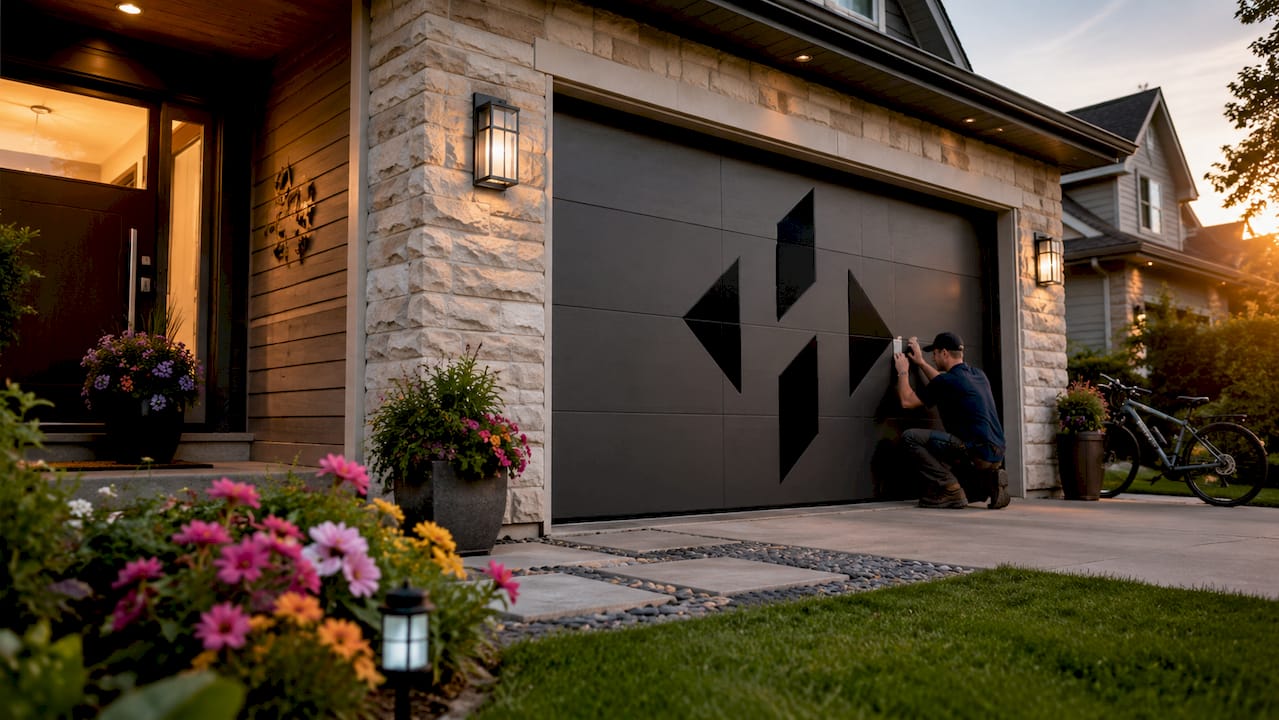
No other project comes close at that price point. Entry door replacement and fiber cement siding follow closely, with strong visual impact and solid resale returns. These exterior projects signal quality to buyers before they ever step inside.
| Project | Typical Cost | Estimated ROI |
|---|---|---|
| Garage door replacement | $4,300–$4,600 | 180%–195% |
| Entry door replacement | $2,000–$3,500 | 150%–190% |
| Stone veneer accents | $10,000–$12,000 | 150%–160% |
| Minor kitchen remodel | $20,000–$28,000 | 85%–100% |
| Deck addition | $15,000–$22,000 | 65%–85% |
Pro Tip: Match your improvement budget to your home's price tier. A $30,000 kitchen remodel makes sense in a $900,000 neighborhood but will not recover its cost in a $400,000 market.
2. How does curb appeal influence buyer offers?
Curb appeal is the first impression a buyer forms before entering your home. That impression shapes every offer they make. A buyer who pulls up to a clean, attractive exterior assumes the interior is equally well-kept. A buyer who sees peeling paint and overgrown shrubs starts calculating repair costs before they reach the front door.
Entry door and stone veneer upgrades return 150%–160% or more on average, making them among the most cost-effective exterior investments available. The psychology is straightforward: visual quality reduces perceived risk, and lower perceived risk produces higher offers.
The most effective curb appeal updates include:
- Garage door replacement: The top ROI project in 2026, and the first thing buyers see from the street
- Fresh exterior paint or pressure washing: Removes years of weathering for a fraction of a full renovation cost
- Landscaping cleanup: Trimmed hedges, fresh mulch, and seasonal color signal active maintenance
- Entry door upgrade: A new steel or fiberglass door adds security appeal and visual punch
- Stone veneer accents: Applied to the lower facade, stone veneer adds perceived permanence and quality
- Driveway and walkway repairs: Cracked concrete tells buyers the property has been neglected
Pro Tip: Pressure washing the driveway, walkway, and siding costs $200–$500 and produces a visual transformation that photographs well for online listings. Do this before any listing photos are taken.
3. What interior updates boost offers without over-improving?
The most common mistake sellers make is spending $60,000 on a full kitchen gut renovation before listing. High-end kitchen renovations recover less than 60% of their cost at resale. A minor kitchen remodel, by contrast, returns 85%–100%.
The difference is scope. A minor remodel means cabinet refacing, new hardware, updated countertops, and a fresh coat of paint. It does not mean moving walls, replacing all appliances, or installing custom cabinetry. Buyers want a kitchen that looks clean and updated, not one that reflects your personal taste at their expense.
The same logic applies to bathrooms. Replacing a vanity, updating fixtures, and repainting delivers a fresh look without the cost of moving plumbing. Minor bathroom and kitchen upgrades consistently outperform major remodels, returning 81%–100% versus less than 60% for full renovations.
Interior updates that protect your ROI:
- Cabinet refacing: Replaces doors and drawer fronts without touching the existing box structure
- New countertops: Quartz or butcher block adds visual value at a fraction of full replacement cost
- Fixture updates: New faucets, cabinet pulls, and light fixtures modernize a space for under $1,000
- Neutral paint throughout: Neutral wall colors are the cheapest way to refresh a home's appearance and appeal to the widest buyer pool
- Bathroom vanity swap: A new vanity and mirror update a bathroom without touching tile or plumbing
| Update Type | Typical Cost | Estimated ROI |
|---|---|---|
| Minor kitchen remodel | $20,000–$28,000 | 85%–100% |
| Major kitchen gut renovation | $60,000–$80,000 | Under 60% |
| Minor bathroom refresh | $5,000–$10,000 | 81%–100% |
| Full bathroom renovation | $25,000–$40,000 | Under 60% |
4. How to manage buyer objections before they cost you money
Pre-sale renovations that address buyer risk perceptions reduce negotiation leverage and produce stronger final offers. Buyers use visible defects to justify price cuts. Every leaky faucet, aging HVAC unit, or cracked tile is a line item in their mental negotiation spreadsheet.
Deferred maintenance fixes yield what analysts call "infinite ROI" because they prevent price reductions that far exceed the repair cost. A $400 plumbing repair that prevents a $5,000 negotiation concession is not just a good investment. It is a mandatory one.
Defensive repairs that protect your sale price:
- Roof inspection and minor repairs: Buyers and their inspectors flag roof age immediately. A clean inspection report removes this objection entirely.
- HVAC service and documentation: A recent service record signals to buyers that the system is maintained and unlikely to fail.
- Electrical panel review: Outdated panels are a red flag for buyers and their lenders. Address known issues before listing.
- Plumbing fixes: Leaky faucets, slow drains, and running toilets are cheap to fix and expensive to ignore during negotiations.
- Cracked tile and grout repair: Small cosmetic defects signal neglect and invite buyers to assume larger hidden problems.
- Window and door seals: Drafty windows or sticking doors suggest deferred maintenance throughout the home.
The goal is not to make your home perfect. The goal is to remove every item a buyer's inspector will flag as a negotiating chip.
5. What pricing strategy increases the number of offers?
Pricing is the single most powerful tool a seller controls. Pricing at or slightly below market comps encourages multiple buyers to submit offers, which creates competitive bidding and often pushes the final price above asking. Overpricing does the opposite. It signals to buyers that the seller is unrealistic, which reduces showings and lets the listing go stale.
The right price is not the highest number you can imagine. It is the number that attracts the most qualified buyers at once. In Southern California markets like Los Angeles and Orange County, where Increaltors operates, competitive pricing in high-demand neighborhoods regularly produces multiple-offer situations within the first weekend of listing.
Pricing and marketing best practices:
- Pull recent comparable sales: Use closed sales from the past 90 days within a half-mile radius as your pricing anchor
- Price in buyer search bands: Buyers search in $25,000 or $50,000 increments. Price at $749,000 instead of $760,000 to appear in more searches.
- Use professional photography: Listings with professional photos receive significantly more online views and showing requests
- Stage before photos: Home staging produces faster sales and higher offers by helping buyers visualize living in the space
- Time your listing: Spring and early fall are peak buying seasons in most Southern California markets. Review timing insights before setting your launch date.
- Target digital platforms: Most buyers begin their search online. Your listing description, photos, and price must all work together to convert views into showings.
Pro Tip: Get a professional home valuation before setting your price. Increaltors offers a free home evaluation that gives you a data-backed starting point rather than a guess.
6. How does staging improve buyer interest and final offers?
Staging is not decorating. It is a sales tool that helps buyers form an emotional connection with a property. A staged home photographs better, shows better, and sells faster than an empty or cluttered one. Buyers make emotional decisions first and rational ones second. Staging works because it triggers the emotional decision before the rational one has a chance to find objections.
The most effective home sale preparation combines decluttering, depersonalizing, and strategic furniture placement to make rooms feel larger and more functional. You do not need to rent expensive furniture for every room. Focus on the living room, primary bedroom, and kitchen. These are the three spaces that drive buyer decisions.
Staging also supports your pricing strategy. A well-staged home at $750,000 competes more effectively than an identical unstaged home at $730,000. Buyers perceive staged homes as better maintained, which reduces their risk calculation and increases their willingness to offer full price or above.
7. What outdoor living improvements attract more buyers?
Outdoor living space has become a primary buying criterion in Southern California. Buyers in Los Angeles and Orange County expect usable outdoor areas, not just a patch of grass. A well-designed deck or patio extends the perceived living area of the home without the cost of a room addition.
Deck additions return 65%–85% on average, making them a solid mid-tier investment for homes that lack defined outdoor living space. The ROI is lower than curb appeal projects, but the buyer appeal is high in warm-weather markets. If your yard currently has no defined outdoor living area, even a simple paver patio or deck creates a feature buyers can visualize using.
Keep outdoor improvements proportional to the home. A $40,000 outdoor kitchen on a $500,000 home will not recover its cost. A $12,000 deck on the same home likely will.
8. How to use a pre-listing inspection to strengthen offers
A pre-listing inspection is one of the most underused tools in a seller's playbook. Most sellers wait for the buyer's inspector to find problems. That puts you in a reactive position during negotiations. A pre-listing inspection puts you in control.
When you know what the inspector will find, you can fix the issues before listing, price the home accurately, or disclose known items upfront. Disclosure reduces buyer anxiety. Buyers who receive a clean inspection report or a seller-provided repair list feel less risk, and lower risk produces higher offers. The buyer risk perception factor is the single most underestimated driver of offer price.
A pre-listing inspection typically costs $300–$500. The negotiation leverage it removes is worth multiples of that.
9. What role does decluttering play in attracting buyers?
Decluttering is free, and it works. Buyers cannot visualize living in a space filled with someone else's belongings. Excess furniture, personal photos, and accumulated possessions make rooms feel smaller and distract buyers from the home's actual features.
The standard advice is to remove 30%–50% of your current furniture and personal items before listing. That number sounds aggressive until you see how much larger rooms photograph and show when cleared out. Storage units are cheap relative to the price reduction a cluttered home invites.
Decluttering also accelerates the staging process. A professional stager works faster and more effectively in a cleared space. The combination of decluttering and staging is the highest-return, lowest-cost improvement most sellers overlook.
10. How to present your home effectively in online listings
The majority of buyers first encounter your home on a screen, not in person. Your online listing is your first showing. A weak listing with dark photos, a vague description, and no floor plan loses buyers before they ever schedule a visit.
Professional photography is non-negotiable. Natural light, wide-angle lenses, and proper staging in photos make a measurable difference in showing requests. Video walkthroughs and 3D tours have become standard expectations in competitive markets. Sellers who skip these tools limit their buyer pool.
Your listing description should lead with the home's strongest feature, not its address or square footage. Buyers scan descriptions quickly. The first sentence must give them a reason to keep reading and schedule a showing.
11. When should you consult a local real estate expert?
The right time to consult a local expert is before you spend a dollar on improvements. A local agent who knows your specific neighborhood can tell you which upgrades buyers in your price range actually want and which ones will not recover their cost. Generic advice about kitchen remodels does not account for whether your neighborhood supports granite countertops or expects quartz.
Increaltors specializes in Los Angeles, Orange County, and surrounding Southern California markets. The team understands which improvements move the needle in specific zip codes and which ones are money spent for personal satisfaction rather than resale return. Getting a professional selling consultation before you renovate is the most cost-effective decision you can make.
Key Takeaways
Sellers who prioritize high-ROI curb appeal projects, fix deferred maintenance, and price competitively attract the strongest and most competitive offers.
| Point | Details |
|---|---|
| Garage door replacement leads ROI | A $4,300–$4,600 investment returns 180%–195%, the highest of any home improvement. |
| Minor remodels beat major renovations | Minor kitchen and bathroom updates return 85%–100%; full gut renovations return under 60%. |
| Fix deferred maintenance first | Addressing roof, HVAC, and plumbing issues removes buyer negotiation leverage before it costs you money. |
| Competitive pricing drives multiple offers | Pricing at or slightly below market comps attracts more buyers and creates bidding competition. |
| Staging and photos amplify every improvement | Professional photography and staging convert online views into showings and showings into offers. |
What I've learned about boosting offers after years in Southern California real estate
Most sellers I work with come to me after they've already spent money in the wrong places. They've replaced all the kitchen appliances, installed new hardwood floors throughout, and added a custom backsplash. Then they're surprised when the offers come in lower than expected. The problem is not the quality of the work. The problem is the sequence and the selection.
The buyers I see in Los Angeles and Orange County are sophisticated. They notice a leaky faucet under the kitchen sink faster than they notice new appliances above it. They read inspection reports carefully. They use every deferred maintenance item as a negotiating chip. A $200 plumbing fix that prevents a $4,000 price concession is not optional. It is the first thing you should do.
My honest advice: start with a pre-listing inspection, fix everything the inspector flags, then focus your improvement budget on the front of the house. Curb appeal projects return more money per dollar spent than any interior renovation, and they work on every buyer simultaneously, from the moment they pull up to the curb or scroll past your listing photo online.
I also push back hard against the idea that luxury upgrades help resale. They rarely do. A $15,000 primary bathroom renovation in a $600,000 home will not recover its cost. A $3,500 entry door replacement on the same home almost certainly will. Spend where buyers can see the value immediately, not where you personally feel the improvement.
The sellers who get the strongest offers are the ones who combine clean, well-maintained homes with competitive pricing and professional presentation. None of those three elements works as well alone as they do together. That combination is what I focus on with every client, and it consistently produces results in this market.
— Irvin Nierras
Selling smarter with Increaltors
Knowing which improvements to make is only half the equation. Executing them in the right order, at the right price point, and with the right marketing behind them is where most sellers need support.

Increaltors works with homeowners across Los Angeles, Orange County, and surrounding Southern California communities to prepare, price, and market properties for maximum offers. Whether you're selling a single-family home or a condo, the team brings local market knowledge and a proven process to every listing. Start with a free home valuation to understand exactly where your property stands before you spend a dollar on improvements.
FAQ
What is the single highest-ROI home improvement before selling?
Garage door replacement returns 180%–195% on average, making it the top-ranked pre-sale improvement in 2026. At a cost of $4,300–$4,600, it delivers more value per dollar than any other project.
Do major kitchen renovations help sell a home for more?
Full kitchen gut renovations recover less than 60% of their cost at resale. Minor kitchen remodels, including cabinet refacing and new countertops, return 85%–100% and are far better investments for sellers.
How does deferred maintenance affect buyer offers?
Buyers use unresolved maintenance issues to negotiate price reductions that often exceed the repair cost. Fixing items like leaky faucets, aging HVAC systems, and cracked tiles before listing removes this negotiating leverage and protects your sale price.
Should I price my home above market value to leave room for negotiation?
Pricing above market comps reduces showings and lets listings go stale. Pricing at or slightly below comparable sales attracts multiple buyers at once, which creates competitive bidding and frequently pushes the final price above asking.
How much does staging improve home sale offers?
Staging helps buyers form an emotional connection with the property, which reduces their risk perception and increases their willingness to offer full price or above. Combined with professional photography, staging is one of the highest-return, lowest-cost tools available to sellers.